Marijuana Use
Why do we address marijuana use?
As more states legalize marijuana for both medical and recreational use, certain public health issues become increasingly relevant, including:
- The effects of acute marijuana intoxication on driving abilities.
- Unintentional ingestion of marijuana products by children.
- The relationship between marijuana and other drug use.
- Increase marijuana use by adolescents.
- Potential increase in health problems related to marijuana use, such as dependence/addiction, psychosis, and pulmonary disorders.
Our position on the use of marijuana and cannabinoid products:
- There is strong evidence that there are risks associated with youth using marijuana.
- The Food and Drug Administration reports that there are no scientific studies that support the medicinal use of smoked or consumed marijuana for medical treatment and no data that supports the safety and general medical use of marijuana as an herbal medicine.
- Unless marijuana or cannabinoids are subject to the FDA process, which includes clinical trials to determine concentration, dosage, interactions with medications, side effects, treatment effectiveness, and long-term effects, CBD products may put the health and safety of youth at risk.
- It’s important to consult with your doctor if you are considering CBD to treat a medical condition as it may interfere with your other medicine.
- Following the CDC recommendations, e-cigarettes, or vaping products should never be used by youths, young adults, or women who are pregnant.
In 2015, about 4 million people in the United States met the standards for being diagnosed with a marijuana use disorder. While not everyone that uses marijuana will become addicted, there is a risk associated with its use.
Marijuana, like some other brain-altering substances, can be addictive, and nearly one in 10 marijuana users will become addicted.
Signs that someone might be addicted include: being unable to stop using marijuana, using it even though they know it is causing problems, and using marijuana instead of joining important activities with friends and family.
Learn more by downloading the Green County Prevention Partnership Coalition Marijuana Position Paper
Ways to cope
Get a good understanding of your daily structure, when you smoke and why. This can help you find the reasons you smoke, ranging from relieving anxiety or to run away from problems.
Set small and achievable goals by trying to pick up more healthy habits instead of smoking.
Protective Factors for Youth Substance Use:
- Parental Engagement: Active involvement and support from parents can reduce the risk of alcohol or marijuana use. Clear communication about the risks
- Family Support: A strong, supportive family environment can act as a buffer against substance use.
- Parental Disapproval: Clear disapproval of alcohol or marijuana use by parents can deter youth from substance use.
- School Connectedness: Feeling connected and supported at school can reduce the likelihood of substance use.
- Positive Self-Image: A positive self-image and self-control can help youth resist peer pressure to use alcohol.
- Community Programs: Access to community programs and resources that promote healthy behaviors can be protective.
- Positive Role Models: Having mentors and role models who promote healthy behaviors.

Our Strategies
Green County Prevention Partnership implements the Seven Strategies for Change to address substance use issues to youth, parents, professionals and other relevant audiences. Here’s a sample of our ongoing work.
-
Provide Information:
Red Ribbon Campaign for 5th grade students, DEA Red Ribbon Girl Scout Patch, National Drug Prevention Week, Podcast on Marijuana addiction, Newsletter on Marijuana addiction
-
Enhance Skills:
DITEP Training, Reality Maze for 8th grade, Safe Driving event, Hidden in Plain Sight animated presentation for parents, Health Rocks for 6th grade
-
Provide Support:
Substance Free Youth Activities such as Post Prom, Movie Nights
-
Enhance Access, Reduce Barriers, and Improve Connections:
Wellness Fair, Virtual Options for Coalition Meetings, Childcare for Meetings, Provide Parent Information on the Dangers of Edibles
-
Change Consequences:
Partnering with law enforcement to conduct, High-visibility enforcement, School drug searches, Presentations, Promote drug-free workplace programs
-
Change Physical Design:
Environmental Scan of Delta 8 products, GIS mapping of hot spots on Sugar River
Resources
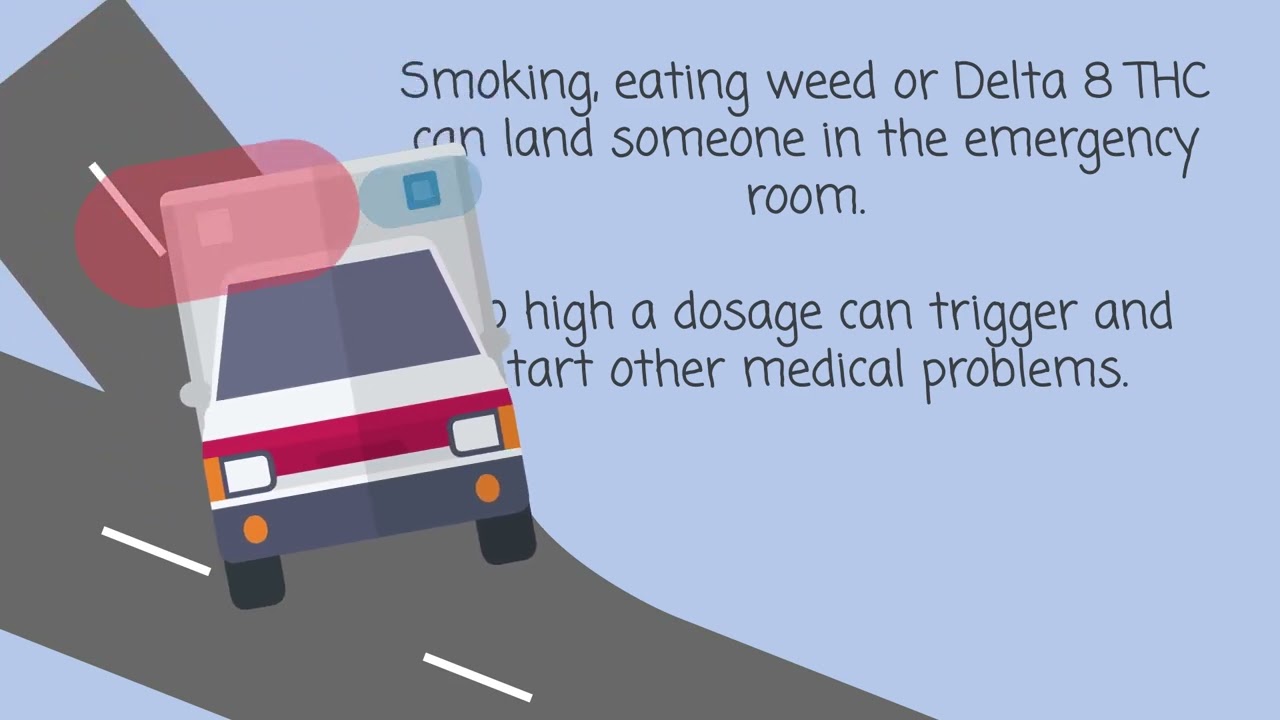
Marijuana Use Video Resources
Marijuana
1:29
2:46

1:34
Preventive Programs
Green County Prevention Partnership offers a variety of preventative programs and trainings covering a number of youth-related issues and intended for various audiences and demographics. Visit any of the programs listed below to learn more about its content and how to request a training for your students, group, or organization.
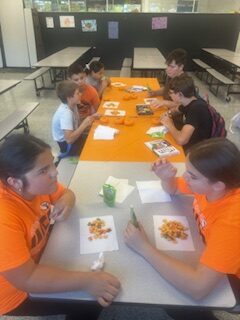

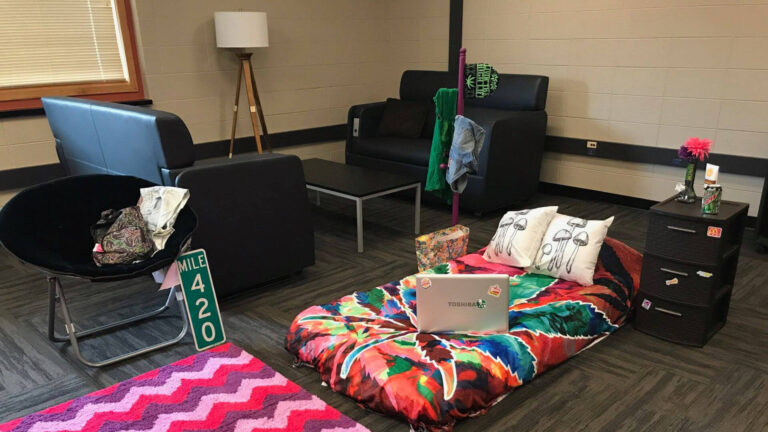
- Intended audience(s): Community Groups, General Public, Parents, Professionals
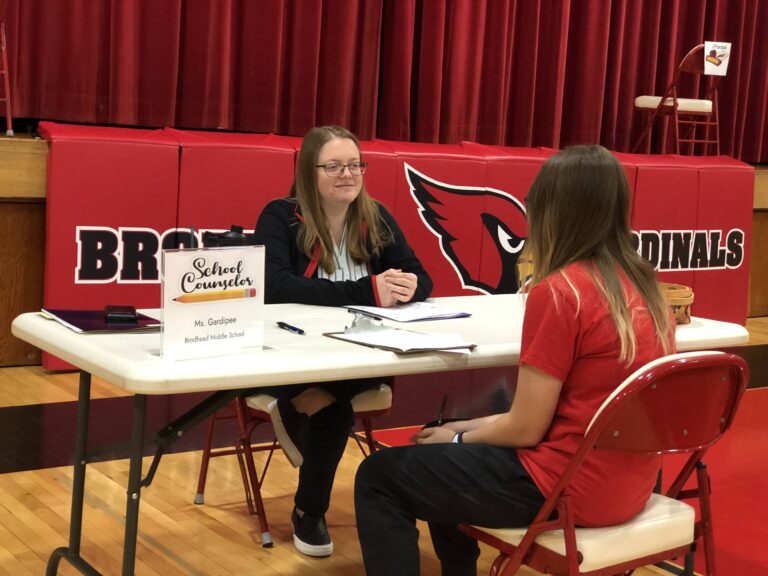

- Intended audience(s): Community Groups, General Public, High School Students, Middle School Students, Parents, Professionals